.png)
Data Governance Strategy

As data is growing day by day, a plan to govern that data properly also becomes critical for achieving the sustainable growth of the organization. Data Governance strategy corresponds data management with organization goals by making sure data is correct, compliant, and accessible for decision making. A successful data strategy must be adaptable and supportive of the dynamic needs of the enterprises. It must offer a transparent framework to manage data in complex situations such as cloud migrations, preparing datasets for AI/ML developments even without making bottlenecks.
What is a Data Governance Strategy?
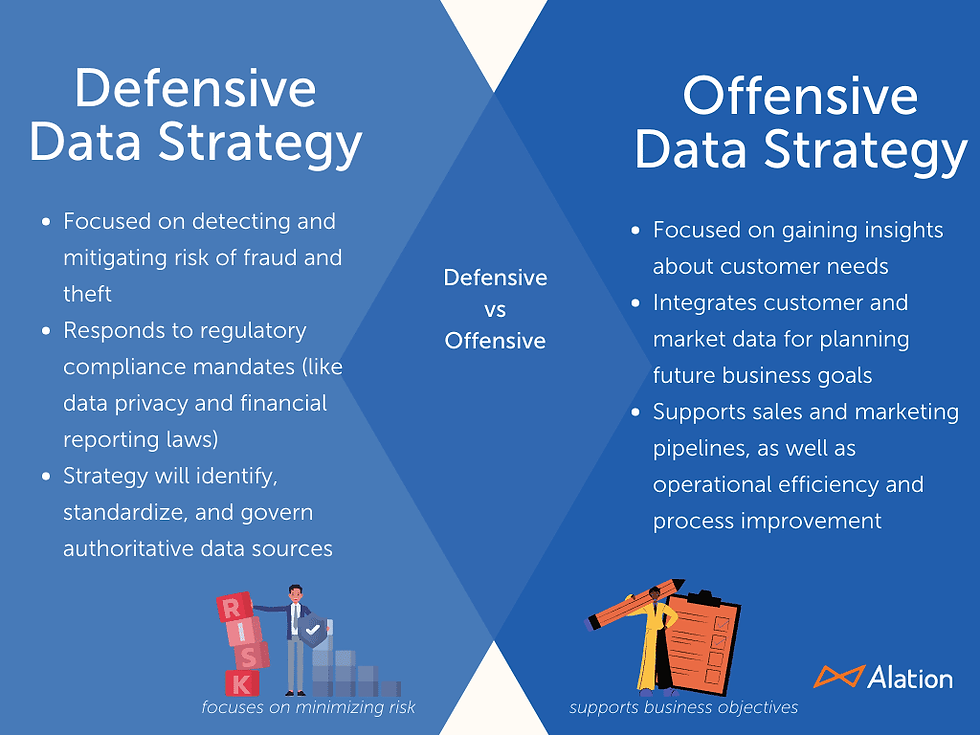
Data Governance strategy is a strategic plan to define goals, actions & reporting to determine a successful data program. It is a robust framework of standards, processes, and policies that ensures the availability, usability, security, and consistency of data within the organization. The data governance strategy must be aligned with data procedures & policies with organization goals & stakeholders needs. While it will ensure the consistent utilization and distribution of data across the companies.
What is the Importance of Strong Data Governance Strategy
Without a thoughtful plan for data management, and how it is used and protected, you will hinder your speed and reliability of operations.
Untrusted Data Puts Business Outcomes at Risk
When data quality is bad and we do not know where it comes from, business leaders get nervous about making decisions. Analysts waste time checking data or finding insights. Importantly AI and machine learning models give unreliable or biased results. Good data foundations help businesses grow. Poor governance causes a problem. People do not trust the data. This problem is hard to fix.
Compliance Requirements are Increasing in Scale and Complexity
Regulations like GDPR CCPA and HIPAA make data privacy and protection rules stricter. If businesses do not follow these rules they face financial and reputation risks. A good governance plan helps businesses meet these rules. It makes sure policies are enforced across all systems, when data changes.
Real-Time Access Demands Real-Time Governance
Businesses now make decisions quickly. Traditional governance methods that check data after it is used do not work. If a business works in time its governance must also work in real-time. This means putting policy enforcement, quality checks and security controls into data pipelines. This way data is governed as it moves. Without it businesses must choose between speed and safety. This is a compromise that businesses cannot afford.
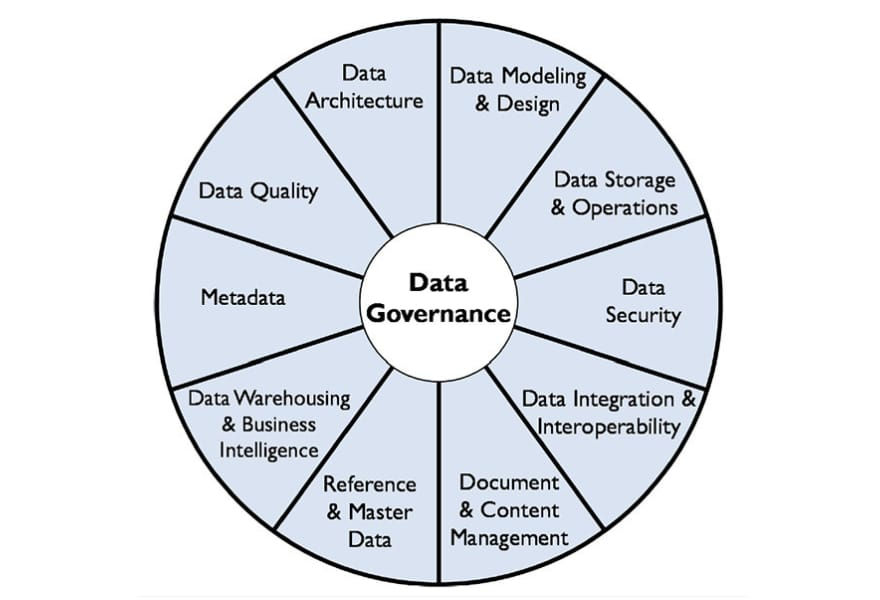
Key Components of Data Governance Strategy
All successful governance plans are built on some components. These components work together to manage data as an asset.
Policies, Standards and Rule Enforcement
This is the governance strategy of the legislative branch. Policies are top-level principles that explain what you want to attain. For example "All sensitive data of customer must be protected". Standards are rules or set criteria that explain how to meet policies. For example "All personal data must be encrypted with AES-256". Rule enforcement is the technical part that ensures standards are met automatically through the data pipelines.
Roles and Responsibilities
Governance involves people; it means it is a team work. A good strategy clearly defines who is responsible for what. This includes roles like Data Owners, Data Stewards and a Data Governance Council. It defines roles & responsibility to prevent confusion & ensure accountability.
Metadata and Lineage Tracking
You cannot govern data if you do not understand it. Metadata is information about data, it describes where data comes from what format it is in and what it means to the business. Lineage is a record of what happens to data, it means it provides a full audit trail. It shows where data comes from, how it changes and where it goes. Together they help analyze the impact of data changes and build trust in data.
Access Control and Data Security
This component ensures that authorized people can access specific data & only for legit purposes. It involves implementing security measures like RBAC, (role-based access control), data masking for sensitive areas and encryption for both at rest and in motion. In strategy, these controls must be dynamic and work in real time as data moves across the business.
Data Quality Monitoring and Remediation
This component ensures that data is good enough to use. It involves setting metrics to measure dimensions of data quality (such as data accuracy, reliability, and completeness), continuously monitoring data and fixing issues when they are found. Proactive data monitoring prevents data from causing problems later where it can corrupt data analytics and undermine AI models’ efficacy.
How to Build a Data Governance Strategy
The data governance strategy must be unique as business. It is because the goals start and end with the business priorities. However, the execution may be different for each enterprise must follow the given 5 steps:
Define Business Goals
The governance strategy does not exist in void. You can start trying directly to business goals. You can ask main stakeholders about their goals to understand it.
Your data governance strategy should be connected to your business goals. Start by linking it to the outcomes you want to achieve. Talk to the people who make important decisions to understand what they want. What are the top things you want to do in the year or so like launching a new product that uses artificial intelligence making your customers happier or entering a new market? At the time work with your legal and compliance teams to write down all the rules your organization must follow. This way your strategy will be good for your business from the beginning.
Look at Your Current Data Situation
Before you can move forward with your data you need to know where you are now. Take a look at your data, including what is important where it is and how you are governing it now. Here is a simple way to help you see how your organization is doing.
Level 1: You do not have any rules for data. Managing data is chaotic and done on the spot.
Level 2: You have some rules but they are only used when problems come up.
Level 3: You have a plan for governing data that includes rules, roles and standards for the company.
Level 4: Your data governance is always being watched. You use metrics to see how well you are doing and to make things better.
Pick a Data Governance Model
There is no single way that works for everyone. Choose a data governance model that fits your company's culture and needs. This model will say how decisions will be made. A centralized model means one group makes all the decisions, which can be good for being consistent. It can be slow. A decentralized model gives each business unit the power to make its decisions, which can be good for moving fast but it can also lead to people not working together. Many big companies use a model, which combines a central group with people in each unit who are in charge of data.
Make a Plan With Clear Goals
Trying to govern all your data at once will not work. Start with a project that focuses on one important area of data like customer data. Use this project to show that your data governance plan is working make your processes better. Get people excited. Your plan should have goals for the next six, twelve and eighteen months showing how you will get from where you are now to where you want to be.
Set Up Metrics to Measure Success
To keep the people in charge on board and show that your plan is working you need to measure what matters. Set up metrics that are connected to your business goals. These metrics should not be about technology. Instead focus on metrics that're important to your business like:
How much less time data scientists spend getting data ready.
How fewer times you have compliance problems with data.
How better your "data trust score" is, based on what your business users say.
How faster you can get insights from your data.


Comments