.png)
Understanding the Importance & Best Practices of Data Risk Management

These days businesses need information to make decisions and stay ahead of the competition. With this need for data comes a big problem, data risk management. Businesses face threats like data breaches and compliance issues that can harm their reputation, finances and the trust of their customers. This blog is all about what data risk management is, why it matters, and how you can build a strong strategy using key elements like data management, data analytics, data strategy, and data governance.
What is Data Risk Management?

Data risk Management is the process of finding, evaluating and reducing the risks in correspondence of data across the company. These risks are unauthorized access, data loss, regulatory non-compliance, and poor data quality. A good plan makes sure your data is safe correct and helps your business.
Why Data Risk Management is Important
One of the reasons companies invest in management of data risk is to protect sensitive information. Businesses deal with a lot of confidential customer and operational data and proper data management, this information can be stolen by hackers. Ensuring regulatory compliance is also very important as companies must follow data protection laws. Having a strong governance of data frameworks help avoid penalties and legal complications.
Also effective risk management helps customers trust businesses because it shows that data security is important. It also helps businesses make decisions because good decisions depend on accurate and clean data. It is crucial for businesses to protect their data and is essential for companies to stay safe in the age.
Key Elements of Data Risk Management
A strong management of data risk needs a framework. This framework has parts that work together to reduce risk and make data more secure.
Data discovery & Classification: It forms the foundation of risk management. Organizations must first understand the data type and its storage, and how sensitive it is. Without having the data visibility, it is impossible to manage risks effectively.
Risk Assessment: Risk assessment is an important next step. Businesses need to see how data moves across their systems. They look for sensitive spots, like misconfigurations, too many access permissions or exposure risks. This helps them focus on the threats first.
Security controls and Measures: To keep data safe and secure, you need security controls. These help make sure only authorized users can access data with encryption, role-based access and multi-factor authentication and data masking
Continuous monitoring & real-time detection: These tools help manage risk effectively. It finds suspicious activities in time and allow the organizations act before the risk becomes a real problem.
Common Types of Data Risks
Organizations have to handle lots of kinds of risks that can affect the security of their data and its usability. Organizations must make sure that their data is safe and that people can get to it when they need to so.
Data breaches: Data breaches are among the most common risks. This happens when sensitive data get exposed either on purpose or by accident.
Data corruption: Data corruption is another major issue. It is caused when systems fail or human error which leads to data inaccuracy and unusable.
Insider threats: Insider threats are also a common types of data risk. This is when employees or partners do something with data either on purpose or by accident.
Cloud-Based Applications: Cloud based risks are continuously growing as misconfigured systems or third-party vulnerabilities can expose sensitive data to attackers.
Additionally if you do not manage your data well and you cannot see what is going on you can have hidden risks. This makes it hard to find and fix problems before they cause trouble.
Best Practices for Effective Data Risk Management
With the help of the right practices, you can really cut down on risks that have to do with data and make your security better overall.
Establish Strong Data Governance Policies
You need to have Data Governance Policies that're easy to understand. This way everyone in your organization knows how to handle data, how to access it and how to protect it.
Limited Access
Users should only have access to the data they absolutely need. As it reduces the chances of misuse or exposure. There are less chances of data getting misused or exposed.
Regular Risk Assessment and Audits
You should check your system often to find risks and improve your existing controls. This keeps the system updated.
Employee Training and Awareness
Human error is one of the reason why data gets breached. If you teach your employees about the data security best practices this can really help minimize the risk.
The Role of Data Governance and Data Strategy
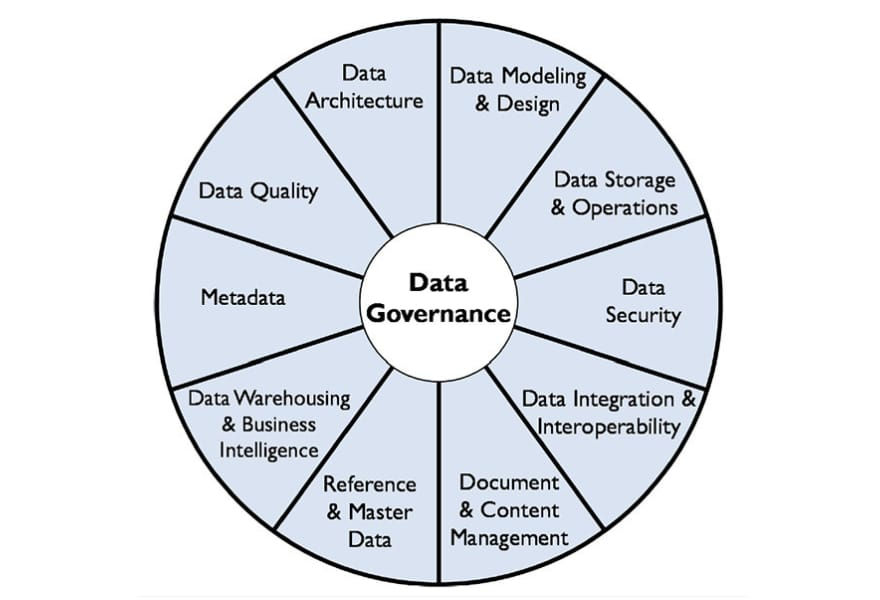
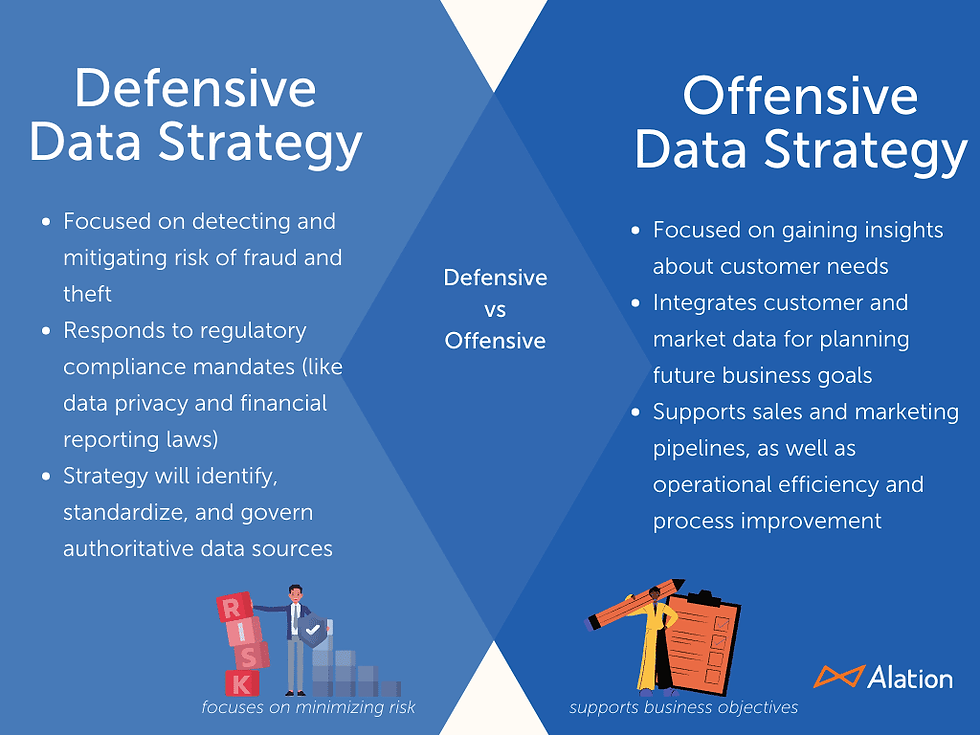
Data governance is very critical in managing the data risk. A well-defined data strategy complements governance. It makes sure our data initiatives match our business goals. It ensures that risk management is integrated at every step from collecting data to analyzing it.
How Data Analytics Supports Risk Management
Data analytics plays a critical role in finding and reducing risks. By looking at patterns, anomalies and trends, organization can find threats before they become big problems.
Advanced analytics tools also help us prioritize risks based on their impact and helps in decision making. For analytics to work well we need good data, which means we need strong data management practices.
Conclusion
Data risk management is something that companies really need to do these days. With much data around and new threats coming up all the time businesses have to be careful and have a plan to deal with risks. To be successful in the long run organizations need a management approach. This approach needs to have effective data management, strong data governance, a clear data strategy and reliable data analytics to work well.

Comments