.png)
How to Ensure Data Quality for Generative AI Success

Generative Artificial Intelligence is changing how businesses make content make decisions and improve customer experiences. Behind every strong AI system lies on critical factor, i.e., data quality. No matter how advanced your model is, its output is only as good as the data it learns from. Poor quality data leads to misinformation, biasedness and unreliable insights making Data Quality Generative AI not just important but absolutely necessary for generative Artificial Intelligence to succeed. In this blog we explore how data engineering principles, data engineering and data science, data governance ensure data for successful generative AI systems.
Why Data Quality Matters in Generative AI
Generative AI models learn from datasets to make text, images and making predictions. If the data is incomplete, inconsistent, or irrelevant, the model will copy those flaws in its output. This is why companies mostly struggle with AI results, not because of the model but because of poor data foundations. Data Quality improves accuracy, relevance and trust in AI outputs. On the other hand, low quality data causes problems leading to wrong or even harmful decisions. Many AI failures today can be traced back to poorly or fragmented data systems rather than algorithm limitations.
The Role of Data Engineering Principles in Generative AI
Strong data engineering principles is the foundation of high-quality data pipelines. these principles focus on building systems that ensure data is clean, structured and reliable before it reaches AI models. Data engineering is not about moving data—it is about preparing it. This includes cleaning up duplicates, handling missing values, changing formats and ensuring consistency across systems. Generative Artificial Intelligence makes this more important because it uses huge amounts of both structured and unstructured data. Modern data engineering also emphasizes scalability and automation. With continuous data flows feeding AI systems, pipelines must be validated & monitored in real time. Without this even a small data issue can affect the model affecting outputs at scale.
How Data Engineering Works with Data Science
The success of generative Artificial Intelligence depends on how well data engineering and data science work together. Data engineers are responsible for building pipelines and ensure data quality. While, data scientists use this data to train and fine-tune models.
This collaboration is really important because data scientists need structured datasets to get meaningful insights. If the underlying data is flawed, it is hard to train models. The results are not reliable. Also data scientists give feedback to engineers, which helps them refine pipelines, making them more aligned with AI requirements. People often call this combination of data engineering & data science "data science engineering". This is where both disciplines work together to optimize data for AI systems. They want to make sure the data is not just available but easy to use, relevant and meaningful for training models.
Data Engineer for Data Governance in Generative AI
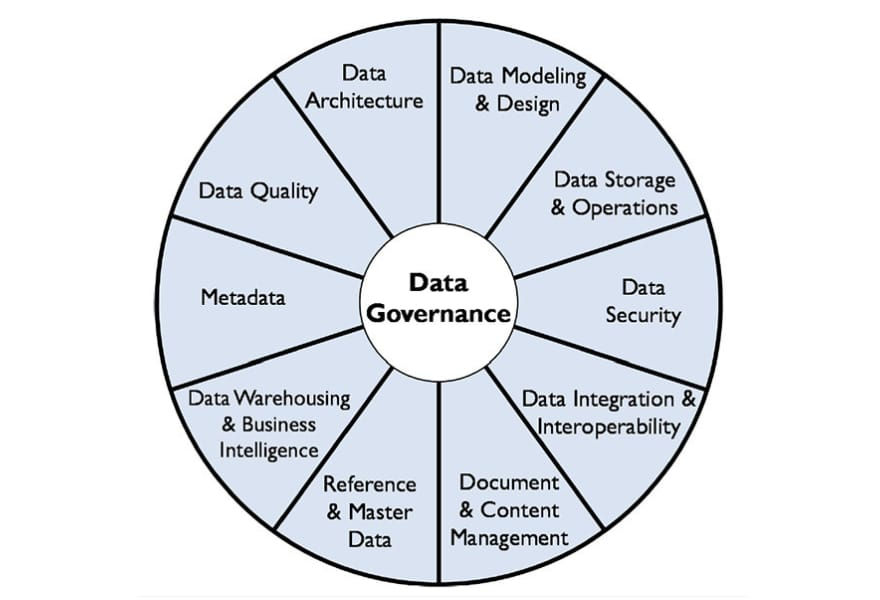
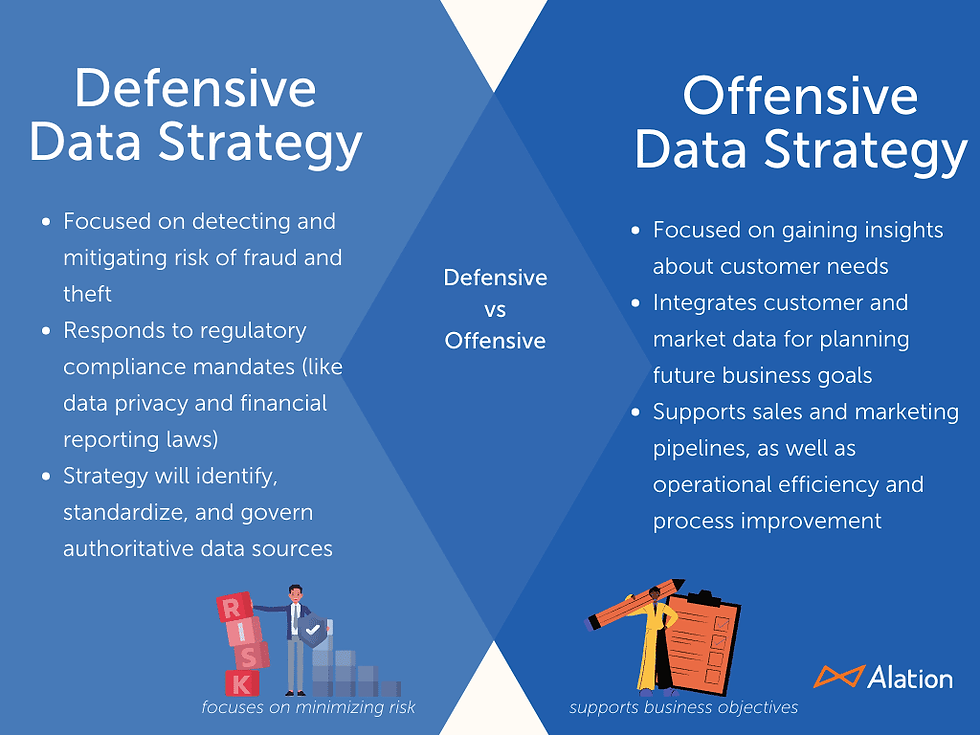
A data engineer who specializes in data governance plays a role in making sure the data used in generative Artificial Intelligence is safe follows the rules and is trustworthy. Data governance is not about compliance it is about making sure AI systems work in a responsible and transparent way. Data governance involves managing data source, who can access it, what rules to follow and thinking about ethics like bias and privacy. Without governance organizations might use sensitive data, which can lead to wrong results or legal problems. Modern AI systems need continuous governance, which means monitoring the data throughout its lifecycle, from ingestion to model output. This ensures that the AI system is reliable, easy to understand and meets business goals.
Key Dimensions of Data Quality in Generative AI
Data quality generative AI is not a one-time task but an ongoing process. It involves multiple dimensions that collectively ensure the outputs are reliable. First the data needs to be accurate which means it needs to reflect real-life situations. Then it needs to be consistent which means it should be the same across all systems. The data should be complete which means no important information is missing. It contains all the updated data not the outdated one. Generative Artificial Intelligence models need data that is relevant to the problem they are solving. Without proper labeling & set of data, even accurate data can fail to deliver useful results. Data quality is critical for AI and it demands close attention to all of these dimensions.
Tips for Enhancing Data Quality in AI Projects
Data quality is really important in areas like data science. If the data quality is poor it can cause problems with the insights and predictions we get from the data. We can even end up wasting a lot of resources.
Here are some tips to help make data quality better in intelligence projects.
Set data formats and rules from the very beginning.
Increase model performance by removing duplicates and missing values, and standardize the data.
Use well-structured policies in data engineering to manage data access, ownership, and quality.
Use tools to detect flaws and inconsistencies in data while it is being collected.
Align data across systems to avoid conflicting or mismatched information.
Keep track of how accurate and complete the data's over time.
Have guidelines for the data that is used to train machine learning models.
Make sure the data is diverse and balanced so that the artificial intelligence outcomes are fair.
FAQs
What is data quality generative AI?
Data quality in generative AI is about how training data is accurate, complete and relevant. High data quality in AI models produce reliable outputs while poor data leads to mistakes.
Why is data quality important for AI success?
Generative Artificial Intelligence models follows the patterns of data, so outputs quality directly depends on the quality of inputs.
How low quality of data can affect AI models?
Poor data quality causes problems in AI models. It adds noise and inconsistencies. This can lead to wrong predictions & unreliability of AI content.
What are the key principles of data engineering to ensure data quality?
To ensure data quality data engineers follow some principles. These include, checking data for errors, cleaning data, making data consistent, removing duplicates, always monitoring data.
How does data engineering & data science contribute to data quality?
Data engineering builds data systems while data science makes sure data is useful for AI models. Together they make sure data is good for AI systems. This approach is known as Data Science Engineering.
What is the role of a data engineer in data governance in AI?
A data engineer for data governance makes sure data is handled properly. They ensure data is secure and used correctly. They set rules for data. Keep track of where data comes from and how ethically it is in AI systems.

Comments